- Kitesurfing and winging need suitable wind; surfing needs suitable waves.
- A shallow kite training area can be too shallow for a foil.
- Choose the sport and lesson window together, based on your level and the day's conditions.
You can try kitesurfing, wingfoiling and surfing on the same Mauritius holiday, but each needs different conditions. Kites and wings use wind. Surfing uses a wave you can paddle into and catch. Smooth lagoon water helps with early kite exercises; a foil also needs enough water beneath it.
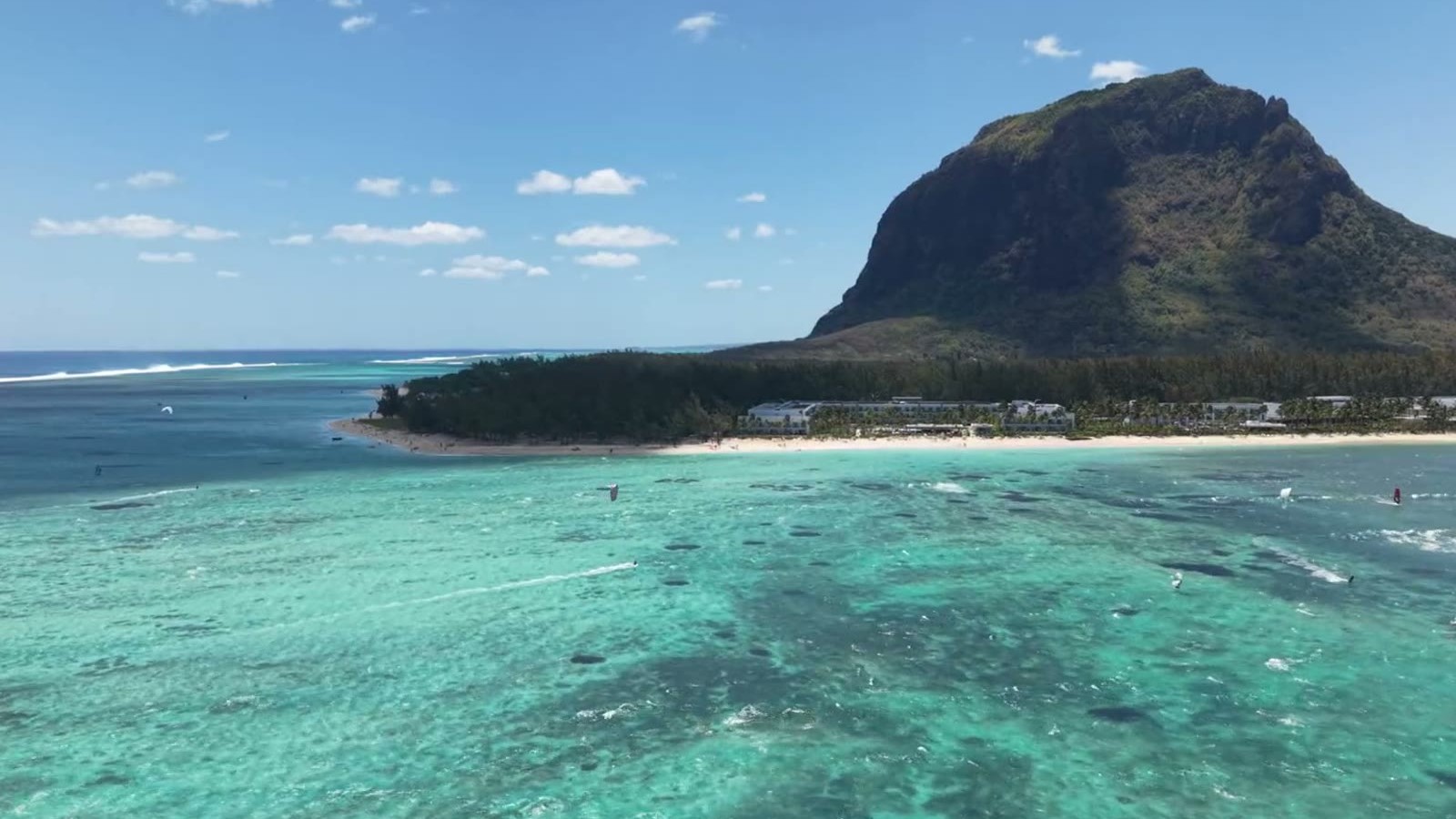
Start with two questions: which kind of riding appeals to you, and where are the conditions suitable for your level today? In Le Morne, the second answer can change with the tide, wind and swell.
Conditions at a glance
| Condition | Kitesurfing | Wingfoiling | Surfing |
|---|---|---|---|
| What powers the ride | Wind and kite pull | Wind and a handheld wing | Wave energy |
| Are waves needed? | No, for first lessons | No, for first lessons | Yes, suitable for your level |
| Early practice area | Calm training water | Calm water with foil clearance | Manageable waves and access |
| What to check | Wind, launch, space | Wind, depth, tide, seabed | Swell, tide, current, reef |
Here, kitesurfing means learning on a board without a foil. Kitefoiling also needs depth. Riding waves with a kite is a separate progression: wave riding, rather than a beginner's first exercises.
Wind: lighter is not always easier
Steady wind makes exercises repeatable. Strong gusts require constant adjustment, while very light wind can stop the equipment working effectively. There is no single beginner wind speed: rider weight, equipment size, wind direction and the training area all matter.
A kite needs lines and launch space. A wing stays in your hands, but you still have to manage drift and return to your starting point. An experienced foiler and a first-time student cannot use every forecast in the same way.
RYA distinguishes wingsurfing from progression onto a foil. Flying is a further skill, rather than a promised first-session result. Wingfoiling is not an automatic replacement for a kite lesson when there is no wind.
Waves and depth: different parts of the same lagoon
Surfing needs swell that produces a suitable breaking wave. Size, period, direction and the seabed shape the session. A calm-wind day may suit surfing if the waves are right. No wind and no waves does not automatically provide an alternative lesson.
For wingfoiling, check clearance beneath the mast and foil, including low tide, falls and the route into the water. Somewhere a kite student can stand may be too shallow for a foil. Pick the practice area with an instructor, rather than from a lagoon photograph.
Big reef waves in a video do not describe beginner conditions. RNLI advises checking wind, swell, tides and currents. At Le Morne, the reef and session window need to match the group's ability.
When to visit Mauritius
For a wind-focused trip, consider the local winter and transition months. Mauritius Meteorological Services identifies June–September as winter, with May and October as transition months. A season is a planning guide, not a daily lesson guarantee.
Check the wave forecast separately for surfing. A windy day need not bring beginner-friendly waves, and larger swell need not improve a lesson. Leave several possible session days and review the forecast closer to the time. Our Mauritius wind guide explains the different coasts.
What you practise first
With a kite, early skills include managing power, using the safety system and moving through water without a board. With a wing, you learn handling, direction and board balance before adding foil control. Surfing develops paddling, board position, wave selection and standing up.
Previous board experience helps, but each sport introduces new tasks. Choose a kite if riding across the lagoon under kite power appeals to you; a wing if handheld control and foil flight draw you in; surfing if you want to catch waves and ride their energy. Learning speed is not something to promise in advance.
For the kite pathway, read what happens in your first Le Morne lesson. This comparison focuses on conditions; service pages explain each current lesson format.
Trying your chosen sport with Kitebelles
Kitesurfing: a private two-hour session is €150; a two-student session is €100 per person for two hours. Wingfoiling: a private two-hour session is €200, including equipment. Surfing: a two-hour group session is €100 per person, including a soft-top board, briefing, return boat transfer to Small Reef and instructor supervision.
These are different formats. Compare student numbers, equipment, access to the water and what the session includes, as well as price. The linked service pages hold the current terms.
To plan a lesson, send your travel dates, water and board experience, group size and preferred sport. If you are undecided, tell us: we can match your interests to the available conditions. Keeping several windows free helps us choose a suitable day.
Frequently asked questions
Yes, if there are suitable waves, tides and currents for your level. No wind alone does not guarantee a surfing session; the instructor checks the spot and swell.
Not automatically. A foil needs enough clearance beneath its mast and wing. Check depth, seabed, tide and access with the instructor before choosing the training area.
There is no universal winner. Kite starts with power and safety control, wing with handling and balance, and surf with paddling and wave timing. Progress depends on conditions, experience and practice.