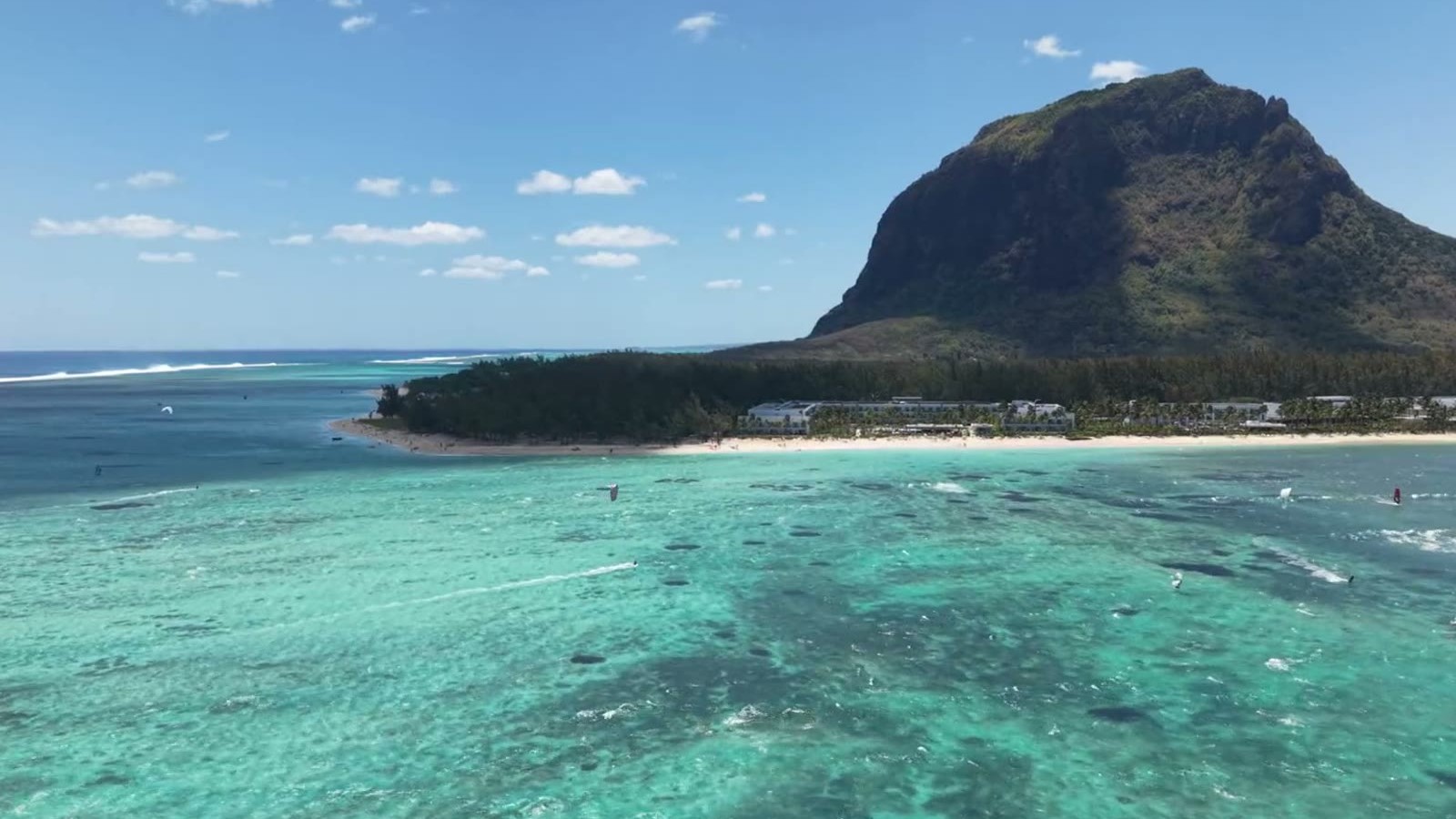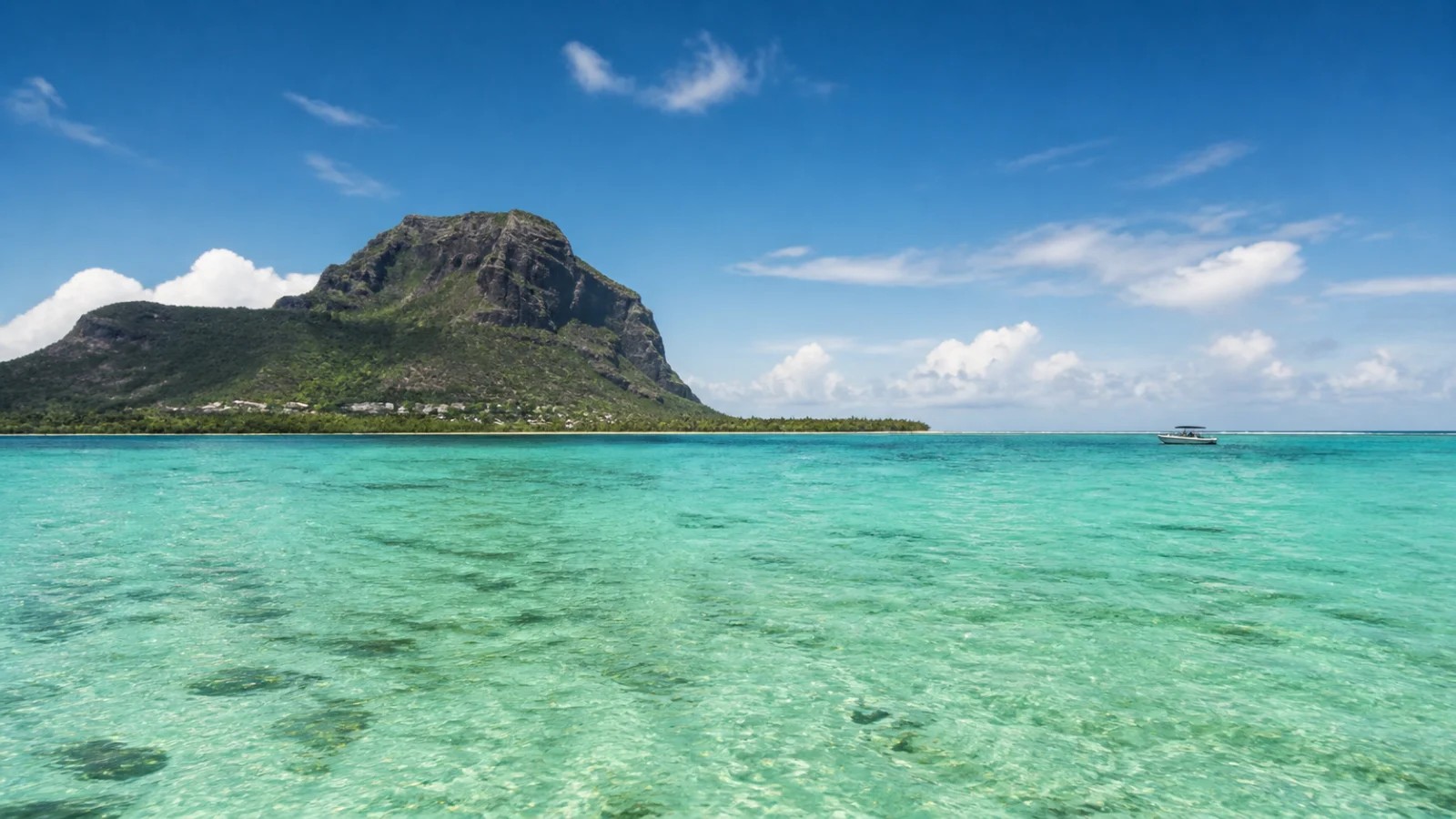
Le Morne is one of the easiest places in Mauritius to understand why kitesurfing becomes addictive: turquoise water, the mountain behind the beach and a lagoon that gives beginners room to build confidence. It is still a wind sport, though. Good lessons are not about rushing to stand on the board; they are about learning the decisions that keep you independent when the instructor is no longer next to you.
Why Le Morne works for lessons
The lagoon gives students a friendly classroom: flatter water, sections that are shallow enough for coaching, and a reef that helps separate the learning area from the open ocean. Nearby wave spots are famous, but they are not the place to begin. For a first course, the useful combination is steady trade wind, enough space downwind and an instructor who can adapt the spot choice to the tide, wind strength and traffic on the water.
What a beginner course should cover
A safe progression usually starts on land with wind window, spot assessment, equipment setup and the quick-release system. Then the lesson moves to controlled kite flying, launching and landing signals, body dragging, water relaunch and self-rescue. Only after those skills start to feel automatic does the board become the focus: board recovery, waterstart attempts, controlled stops and short rides.
International teaching systems describe the same logic in different words: safety first, kite control second, board skills third. If a student skips the middle part, the first ride may happen faster, but independence usually takes longer.
How long does it take?
There is no fixed number of hours. Swimming confidence, previous board sports, wind consistency and the student-instructor ratio all matter. A short discovery lesson is enough to feel the kite and understand the sport. A realistic beginner package gives time for water relaunch, body drag and repeated waterstart attempts across several wind windows. Many students need more than one session before they can ride both directions with control.
Private, semi-private or supervised practice?
Private coaching is the fastest route when you want maximum feedback or you are nervous around the kite. Semi-private lessons work well for couples and friends with similar levels, as long as the instructor keeps the rhythm active. Supervision is different: it is for riders who already know the basics and need a safer environment, rescue support and spot guidance while they build consistency.
When to come to Mauritius
The strongest and most reliable trade-wind period around Le Morne is usually the southern winter, roughly from late autumn through spring in the northern hemisphere, with many guides highlighting June to October or November. Summer can still bring rideable days, but the wind is often lighter and less regular. For a learning trip, it is smarter to book several days rather than gamble on one perfect afternoon.
What to bring and what to expect
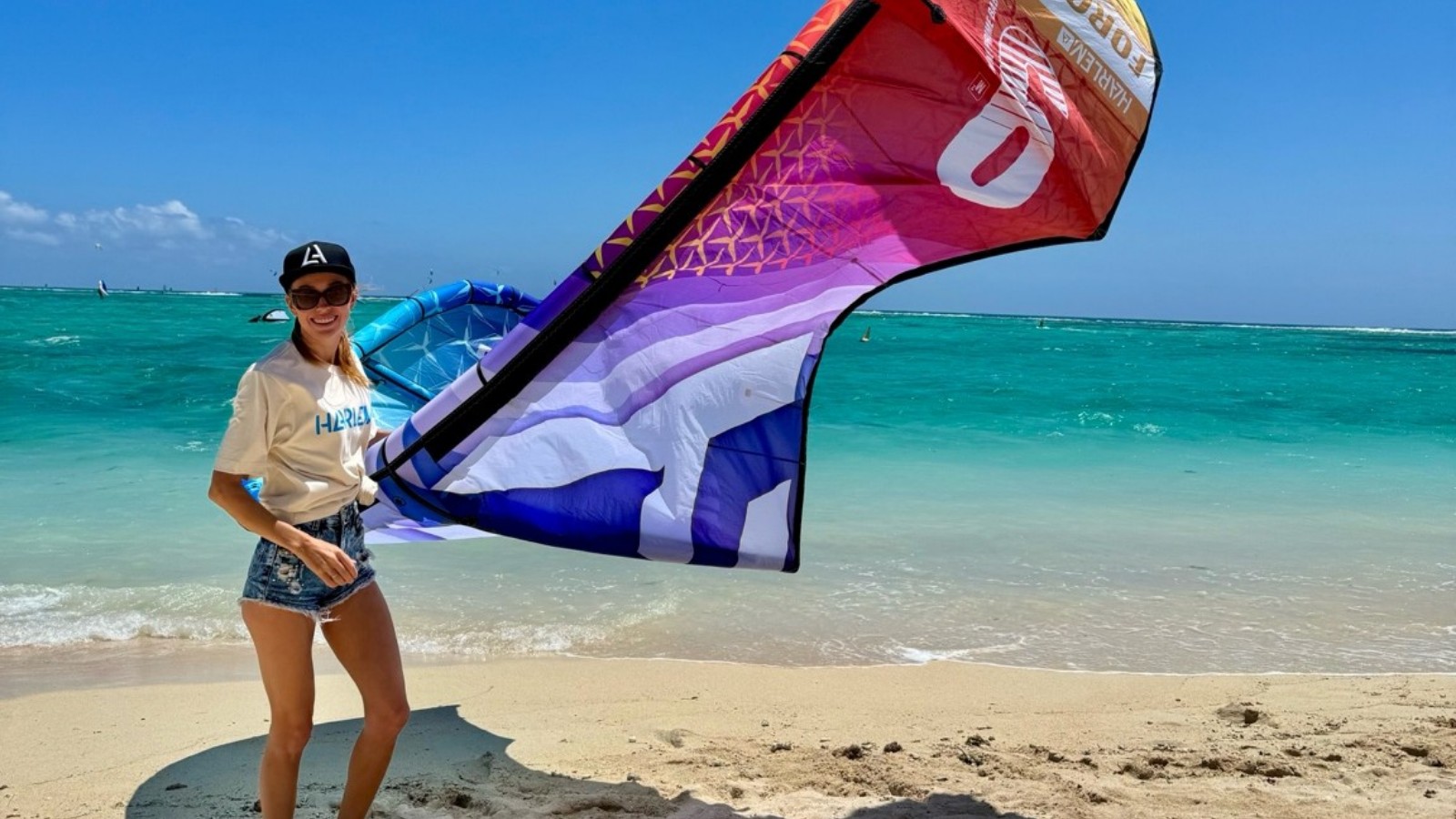
You do not need your own kite gear for the first lessons. A good school provides the kite size, board, harness, helmet and buoyancy or impact vest that match the day. Bring swimwear, sun protection, water, sunglasses with a strap if you use them, and patience. The best session is sometimes a body-drag session, because it teaches the control you will rely on later.
If you want a lesson plan for your dates in Le Morne, start with the kitesurfing lessons at Le Morne, check the spot and wind guide, or message the team with your level and travel window.